
The short answer: Yes, you can build a real, production-ready SaaS app largely by “vibe coding” with an AI agent, but not effortlessly. In ~20–25 days using Replit’s AI agent, the author built and launched Taxformify (auth, dashboards, Stripe, notifications), a company he co-founded. AI accelerates the early build dramatically, but you still hit real limits, complex debugging, security, and architecture decisions, where engineering judgment is required. It’s a powerful co-pilot, not a replacement for understanding.
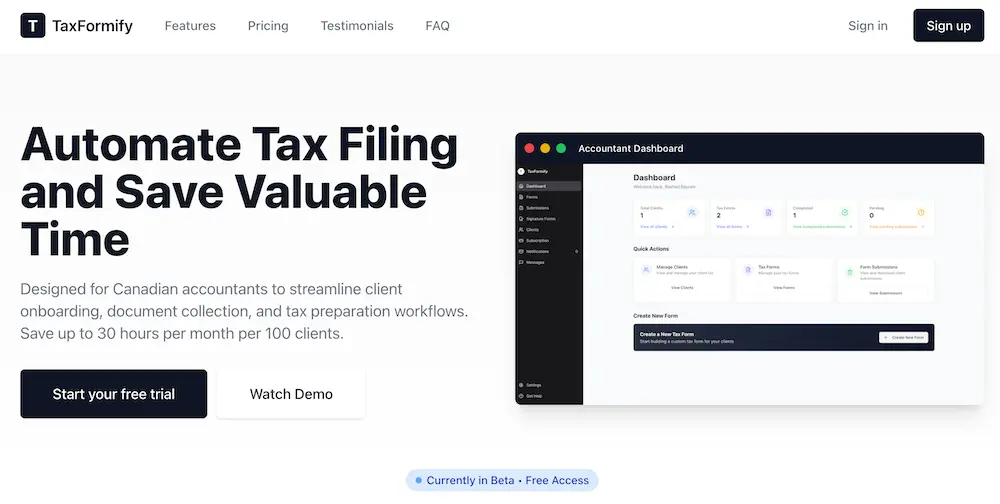
Over the past few months, “vibe coding” has become the talk of tech Twitter, LinkedIn, and even Instagram. Social feeds are overflowing with indie hackers showing off cool AI-built apps. But here’s the real question I had: Can you actually build a full-fledged, production-ready SaaS app by just vibe coding?
I’m talking about the real deal: secure authentication, user dashboards, Stripe integration, notifications, the kind of features you’d expect from a standard SaaS platform.
Curious (and a bit skeptical), I decided to try it myself. I gave myself 20–25 days and one constraint: use Replit and its built-in AI agent as my main development partner. The goal? Launch a functional, live product. Here’s what happened, week by week.
---
Week 1: Fast Start, Surprisingly Smooth
Within just a few hours on Day 1, I had working email authentication, Google login, user profiles, and a functional dashboard. That’s faster than I expected, and honestly, kind of thrilling. I wasn’t writing boilerplate or googling syntax. I was just building.
---
Week 2: Hitting Snags with Real-World Problems
I registered new domains, taxformify.com and taxformify.ca, and things got a bit rocky. Email service integration took longer than expected because my provider temporarily blocked my account due to compliance issues. I had to pause and resolve that before I could send out confirmation and transactional emails, critical for a smooth user experience.
This part wasn’t about AI limitations, it was about real-world dev issues, and that was a reminder that shipping a product always involves more than just code.
---
Week 3: Building Momentum and Complexity
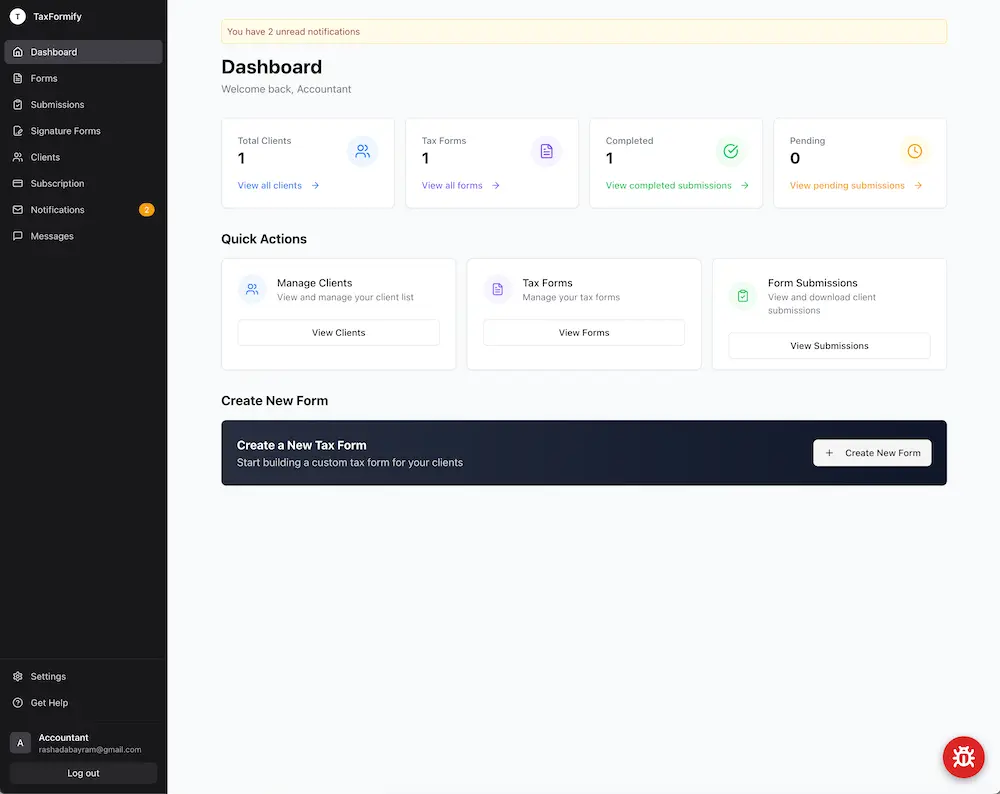
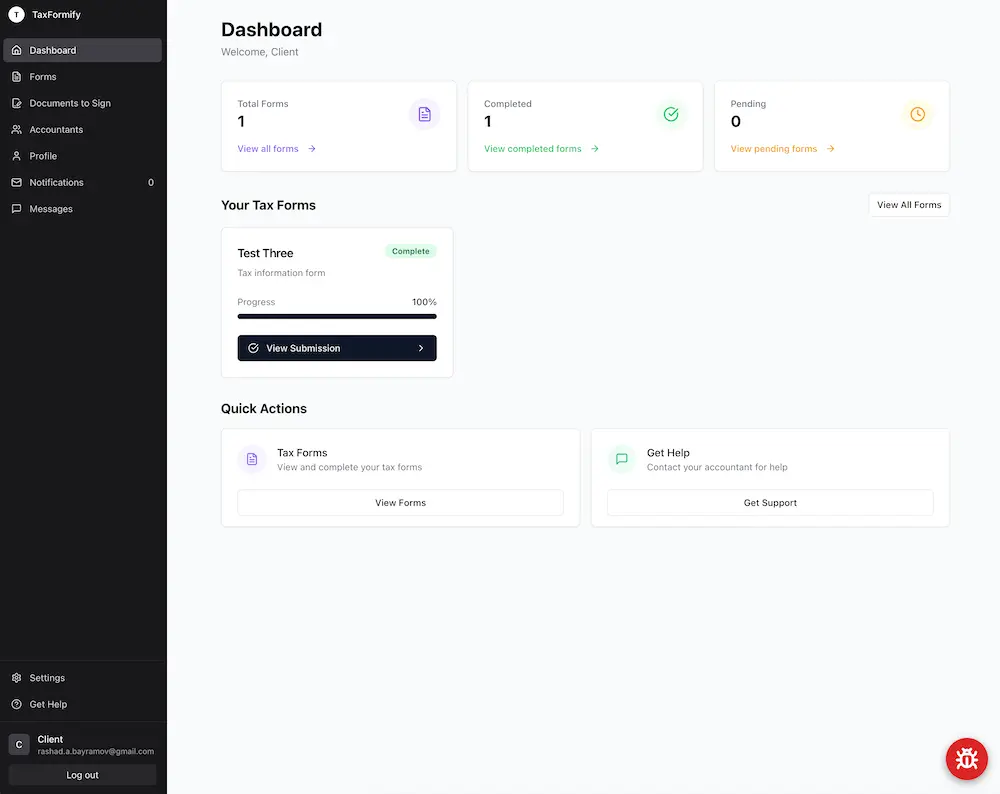
By now, I had around 65% of the app built, including full feature sets for both the accountant user and the client user. But with the growing codebase came growing challenges.
The Replit AI agent started to struggle with more complex logic and deployment bugs. If I didn’t already have some development experience, I would’ve hit a wall. I had to step in, digging into files manually, debugging logic, and even suggesting fixes to the AI.
The fascinating part? The AI agent would often take my suggestions, adjust accordingly, and actually thank me. It was less like a tool and more like a junior developer learning on the job. This experience lines up with what I’ve since written about mastering AI agent development: agents get you moving fast, but they still need a human steering the harder decisions.
---
Week 4+: Live, Functional, and in Beta
Aside from one feature that’s still giving the AI a hard time, the Taxformify app is now live and in beta.
The MVP does exactly what I hoped it would: it simplifies, accelerates, and partially automates the tax-prep document workflow for accountants. And the best part? I got here in less than a month, with virtually zero infrastructure cost beyond Replit usage. It is also a small example of the vertical AI agents argument: the value was never the model, it was knowing which step of the week to point it at.
---
Final Thoughts: Is Vibe Coding Viable?
Here’s the verdict: Yes, vibe coding can get you far, especially if you’re building an MVP or a small SaaS product. Tools like Replit’s AI agent can absolutely handle core functionality, and even adapt when guided. But once your app grows in complexity, human intervention becomes crucial.
Think of vibe coding as your co-pilot, not your autopilot.
---
The project is in open beta and desktop-only.